volunteer Oakwood Rotarians travel around the city and collect household hazardous materials such as oils, pesticides, paints, batteries, etc. and transport them to the Montgomery County Refuse Transfer Station where they are properly disposed. Residents call a phone number at the Public Works Department to register for a pick-up. The Public Works Department compiles a list of quarterly pick-ups and provides the list to the team of Rotary volunteers. This has been a highly successful program, removing large amounts of hazardous material making the community safer and keeping the material out of our landfills.
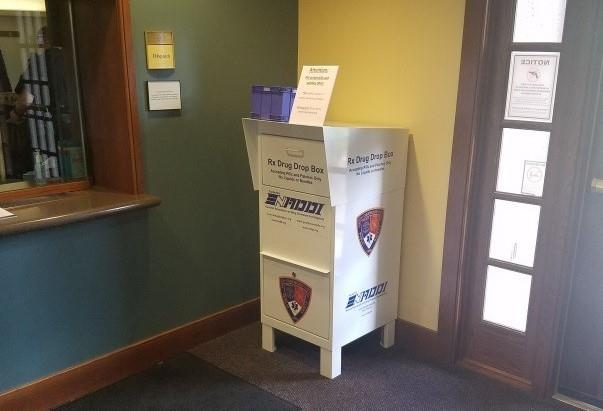
Prescription Drug Drop-off: In 2017, the city installed a drop-off box for the safe and proper disposal of prescription drugs. The container is located at the entrance to the city building, 30 Park Avenue, adjacent to the public safety dispatch office. It is available 24/7.
Public Lawn Maintenance: The city maintains numerous public lawn areas including parks, gardens and boulevards. For over 20 years, the city has used an Integrated Pest Management (IPM) program for maintaining the public grass and landscaped areas. All city mowers have mulching blades, and city staff sets the mowers at a high cut setting. Best IPM practices indicate that the taller the turf the less weed infestation and thus the less need for lawn treatment. Use of mulching blades returns nutrients to the lawn and helps keep the grass healthy.
Landscape Management Code: On July 18, 2022, city council approved an amendment to Chapter 551, Weeds, of the Oakwood General Offenses code renaming it to “Landscape Management” and incorporating new provisions to authorize the establishment of managed natural landscape areas on private property within the city. The purpose of the amendment was to encourage the use of native vegetation throughout the city to maximize ecological and aesthetic benefits while respecting existing community values regarding landscaping to include well-maintained yards, preservation of sight lines, compatibility with existing structures, and public safety. Ecological benefits of “managed natural