Camelot: A Quest for Glory
Exploring the legendary story of King Arthur's court and its journey from Broadway to the silver screen.
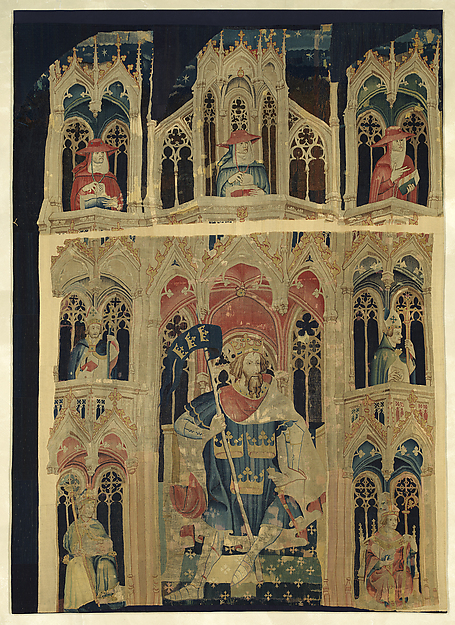
The Legend of the Kingdom
Lerner and Loewe's musical, based on T.H. White's "The Once and Future King," presents the utopian vision of Camelot, an enchanted kingdom where King Arthur establishes justice and chivalry over might. The story follows Arthur as he creates the Round Table, only to see his idealistic realm threatened by the illicit love between his wife, Queen Guinevere, and his most trusted knight, Lancelot, and ultimately destroyed by the villainous Mordred.
Note: Camelot is often associated with the presidency of John F. Kennedy, characterized as a "brief shining moment." (Image Source)
Richard Burton and the Role of Arthur
While the story provides the foundation, Richard Burton's original Broadway performance defined the character of King Arthur. Burton infused the role with a blend of regal vulnerability, intelligence, and a unique conversational singing style, particularly in the title song, that captured the king's wistful idealism.
The Move to the Movies
The musical's journey continued with the 1967 film adaptation. Though Richard Harris took over the role of Arthur for the movie, the story's cinematic arc expanded visually, showcasing the grandeur and eventual heartbreak of the legend to a wider audience, solidifying Camelot's enduring place in popular culture.