Easy Things You Can Do to Protect
Drinking Water Sources
Accessible view
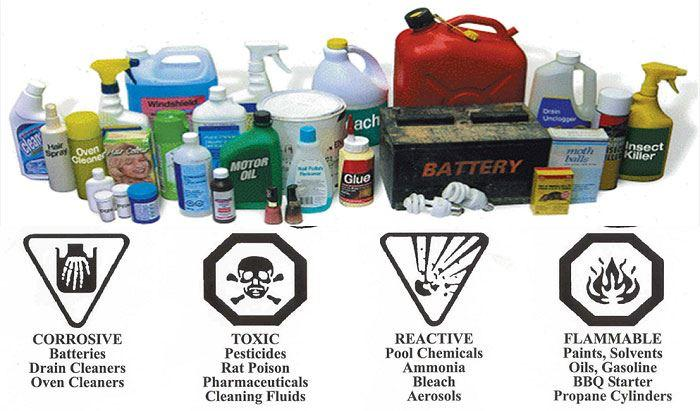
The infographic groups household products by hazard category:
- Corrosive: Batteries, Drain Cleaners, Oven Cleaners
- Toxic: Pesticides, Rat Poison, Pharmaceuticals, Cleaning Fluids
- Reactive: Pool Chemicals, Ammonia, Bleach, Aerosols
- Flammable: Paints, Solvents, Oils, Gasoline, BBQ Starter, Propane Cylinders
Properly dispose of hazardous products
Use and dispose of harmful materials properly
Don't dump hazardous waste on the ground. It can contaminate the soil, which could also contaminate the ground water or nearby surface water. Several products used at home contain hazardous or toxic substances that can contaminate ground or surface waters, such as:
- Motor oil and automotive fluids
- Pesticides
- Leftover paints or paint cans
- Mothballs
- Flea collars
- Household cleaners
- Medications
When using fertilizers, pesticides, or herbicides, follow the label directions carefully and apply only the amount needed. Excess chemicals can wash into storm drains or soak into the ground, impacting local water quality.
Proper disposal and responsible use of these products help protect Oakwood's water resources and preserve a healthy environment for everyone.