
People first
Accessibility is about independence, dignity, and equal participation. Passing a checklist is not enough.
We remove digital barriers so everyone can independently access, understand, and act on the information and services that shape their lives. That includes people with disabilities.
Access should be the default.
Why we exist
Public notices, permits, applications, reports, learning materials, and other essential information are often published as static files. Those files can be difficult to navigate on a phone, with a keyboard, or with assistive technology. They are often just as difficult for organizations to correct, update, translate, and reuse.
People should not have to adapt to the limitations of a file. The information should adapt to them.
Our approach
FileToWeb converts PDFs and other documents into responsive, editable web pages. In FileToWeb Studio, organizations can review the structure, correct the content, run accessibility checks, save versions, and publish approved HTML through their existing website while retaining the original file when needed.
Our work begins with documents, but our mission is broader: to help make digital information and services accessible from the start.
Convert
Review in Studio
Improve
Publish
How we build
Accessibility is about independence, dignity, and equal participation. Passing a checklist is not enough.
Accessibility should be part of everyday publishing, not a special remediation project after content has already created barriers.
Organizations should retain control of their content and be able to publish it through open web formats without being locked into one vendor.
Automation can accelerate conversion and review. People remain responsible for context, judgment, approval, and publication.
The impact we seek
We seek to advance equitable access to digital information and services through open, affordable technology that removes barriers for people with disabilities and others who face barriers to digital access.
Our ambition extends beyond documents. We want all the information and services people encounter online to be accessible from the start, including forms and media.
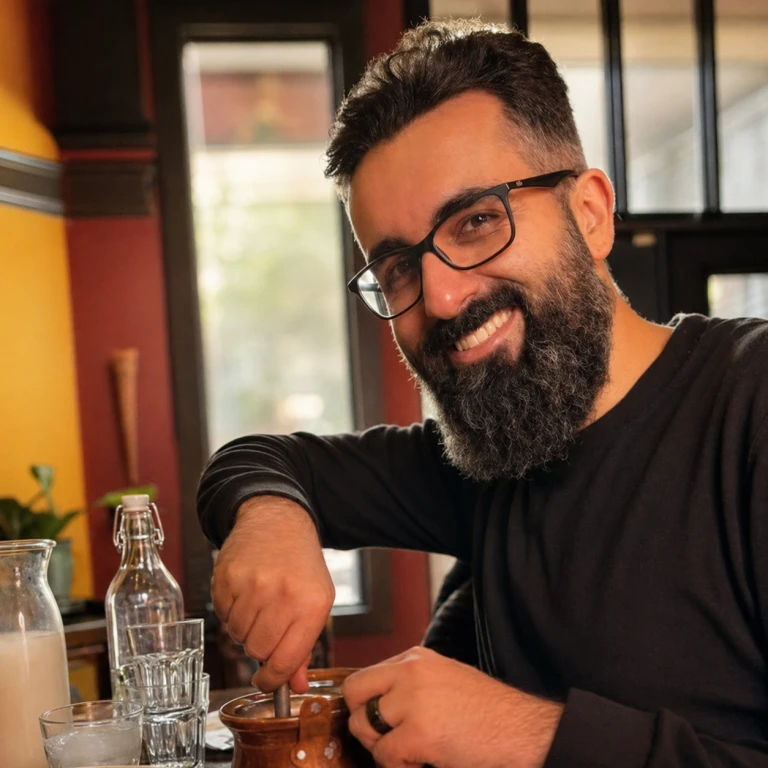
Our story
FileToWeb began with a promise I made to my father, an author, for his 78th birthday: to put his latest book online in a form that felt native to the web rather than trapped inside a PDF.
Building that first version made a much larger problem visible. Important information across government, education, business, and everyday life is still published in formats that create unnecessary barriers for the people trying to use it.
Before starting FileToWeb, I spent more than 15 years building technology, including as an early engineer behind Snapchat and later leading application infrastructure at Snap Inc. I started FileToWeb because that default needs to change. People should not have to adapt to static files. Web content should adapt to them.
Kamran Tirdad
Founder, FileToWeb
Our commitments
We will judge our progress by more than the number of files converted. We want to know whether people can independently find, understand, and use the resulting information and services.
We will evaluate FileToWeb’s website and products, publish confirmed limitations, and provide a clear way to report barriers.
We will make it straightforward to report an accessibility barrier or request information in another format.
We will clearly distinguish between automated checks, human review, standards conformance, and legal compliance.
Whether you publish information people depend on or have encountered a barrier that needs to be removed, we would like to hear from you.