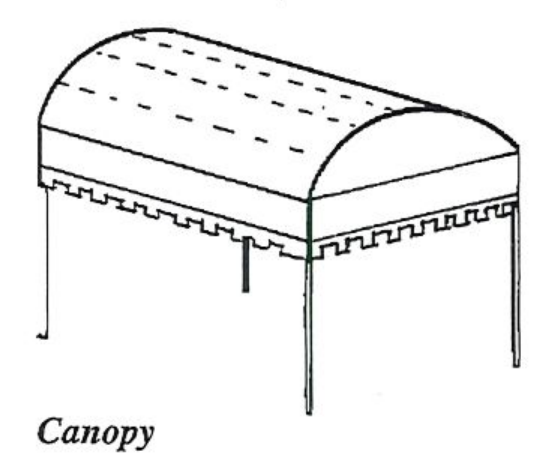
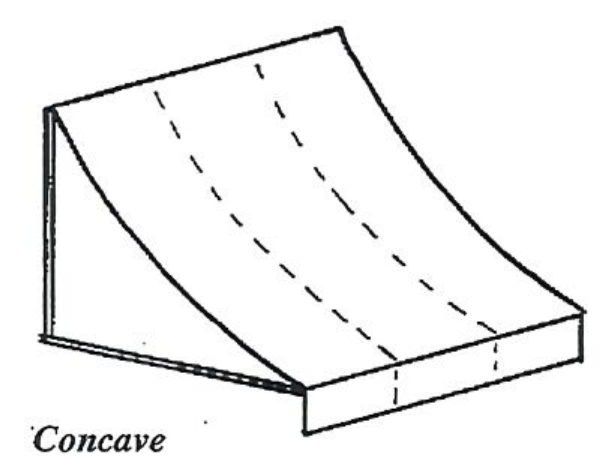
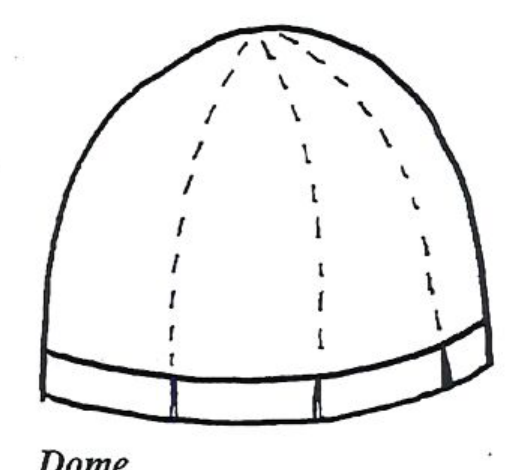
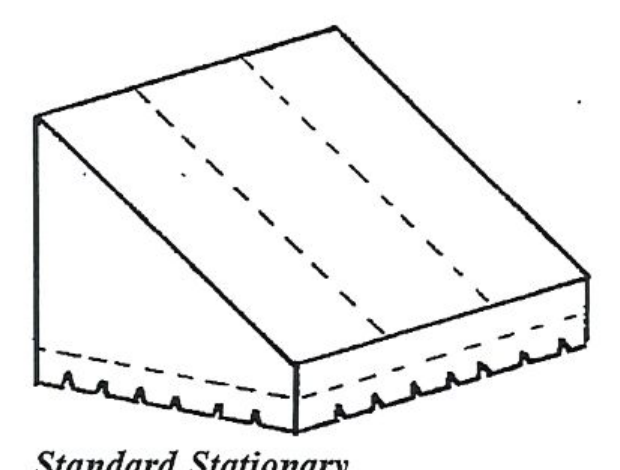
Awnings
Awnings may have been present on the buildings before 1925, but the later buildings may have had canopies. Awnings seem to be the favored choice today, and they provide some screening from the sun and can serve as signage for passing traffic.
As a general rule, awnings should complement the scale and use of the building and help the building mesh with the district’s character and scale.
Material
The awnings should be made of solution-dyed acrylic awning or marine fabric with a woven texture. The awning should be totally opaque. No backlighting is permitted.
Signage
When signage appears on the front of the awning skirt, it shall be either painted on the opaque skirt or spelled out with white or light translucent, not transparent, awning fabric within the skirt. If signage is placed on the skirt, the skirt must be at least 9 inches high, and signage may not exceed the width of the awning. Skirts without signage may be 6 inches high. Except for rare cases, a structure that has a covered porch should not have an awning.
Colors and Patterns
Awning colors should complement the color of the building by matching or accenting the color of the trim. They should also reflect the color scheme chosen by the city for the district. Awning pattern should complement the scale and use of the building. (See the Colors section).
Size and Placement
Awnings over an entrance should be centered over the door with a 7-foot clearance between the bottom of the skirt and the pavement. Perpendicular canopies should match the slope of any existing stairs and ramps.
The width of awnings should not exceed the width of the opening by more than 2 inches on each side of the opening frame. Awnings should not exceed the steps or stoop. If the entrance is at street level, the awning depth should not exceed the awning width.